Lucinda Williams on NYT 30 Greatest Living American Songwriters List
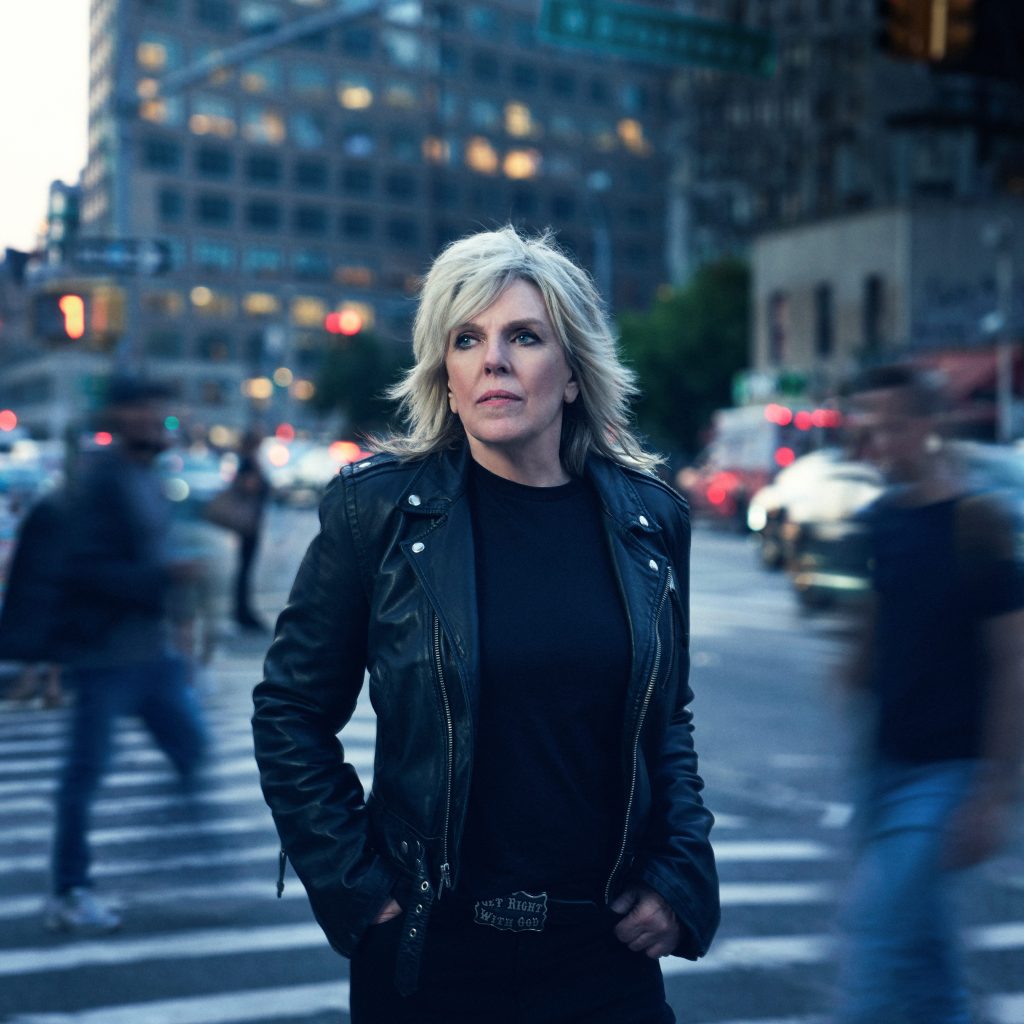
More than 250 music insiders and six New York Times critics weighed in on who defines the new American songbook. Here, in an unranked list, are the artists they chose.
Whatever anybody means about a song’s texture turns tactile with Lucinda Williams. Sweat salt. Ice crunch. Oyster grit. Matches. Grease (bacon, engine, hair). She must know this. She titled one masterpiece album “Car Wheels on a Gravel Road.” Her half-century of music-making began on a kind of texture tour. She passed through some country and, as many a singer-songwriter has, through Black music, discovering what distinguishes affect from affinity. Williams, who hails from Lake Charles, La., started as a blues stencilist, covering Robert Johnson and Melvin “Lil’ Son” Jackson. So nothing is counterfeit about, say, the zydeco that dusts her first recording of an original jewel like “I Lost It.”
Williams evolved into the kind of synthesizing stylist and major storyteller whose genre becomes herself. She is a musician’s songwriter and a critic’s ideal: wry, deceptively complex, confident, confident-sounding.
By the time she was in her mid-30s, she was coming up with the sundress-and-Stetson floor-stomper “I Just Wanted to See You So Bad” and the chug-a-lug peace-out of “Changed the Locks.” Who’s got a better sad-and-horny song than “Unsuffer Me,” wherein Williams wonders whether a man can be her Lexapro, or a more concrete boy-loses-girl tune than “Six Blocks Away,” or a love song as vampirically abject as “Essence”? She can write great hellos and superb goodbyes. She can practice observant empathy. Like the finest blues and country folks, she’s also a comedian, a comic actor — hear Williams as a stalker on the heavily grooved lust-at-first-sight track “Hot Blood,” horny-whispering and hiding in the bushes: “I saw you in the laundromat / Washin’ your clothes / Gettin’ all the. Dirt. Out.”
Williams’s comedy is rooted in a pithy, earthbound philosophy. On “Fancy Funeral,” she’s counseling against having one: “’Cause no amount of riches / Can bring back what you’ve lost / To satisfy your wishes / You’ll never justify the cost.” It’s one of those smile-through-tears tunes. The truths in her writing are as off-kilter as her singing. Since the beginning, Williams has been performing with a voice that’s like a door with honey in the hinges. It matches (or inspires) the drunken wisdom in her words.
Williams worries, notices, intuits, chides and calls out. She remembers. This is songwriting whose strength arises, partially, from an ability to texturize all the modes of life — having and losing, looking and longing, comfort and disorientation — and the many moods those modes inspire. That’s how you get the ardent abandon of “Passionate Kisses” or a tear-jerker like “Sweet Old World.” Obviously, Williams composed those two. But everybody thinks of “Passionate Kisses” as being all but copyrighted by Mary Chapin Carpenter, who Ferris-wheels her way through that chorus. And Emmylou Harris has so thoroughly repossessed “Sweet Old World” that even Williams herself has said she, too, envisions stars when she hears it. But Williams drew the roadway that Harris used to get up there, which is her big contribution to American music. It’s not just the locks that she changed; it’s the contours of the map. — Wesley Morris